.6b724c0040be8a1ba745032d3cde3cef.jpg)
04 September 2026 – 23 January 2028


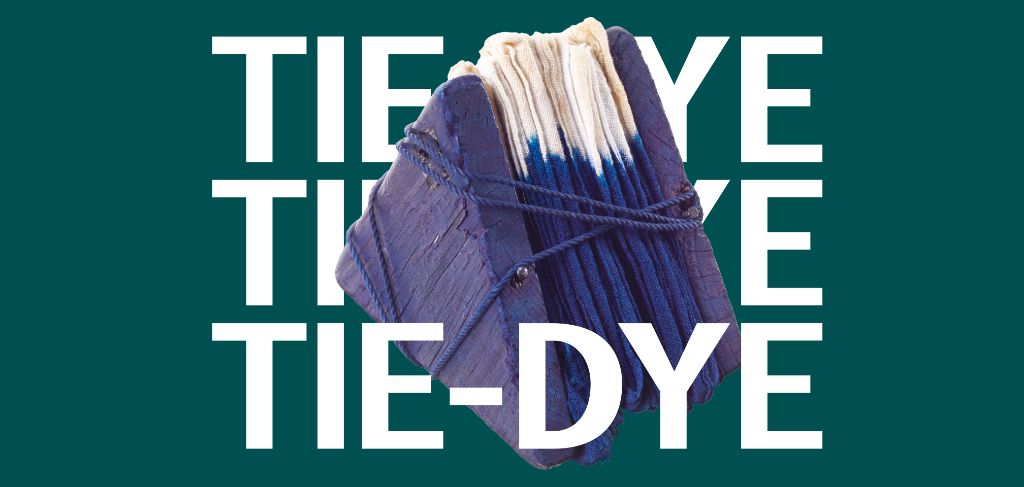
The MKB’s textile collection is as extensive as it is world-renowned. In a pop-up exhibition, the provenance research team not only shows how the collection is entangled in old colonial structures, but also what opportunities this offers for forging new relationships.
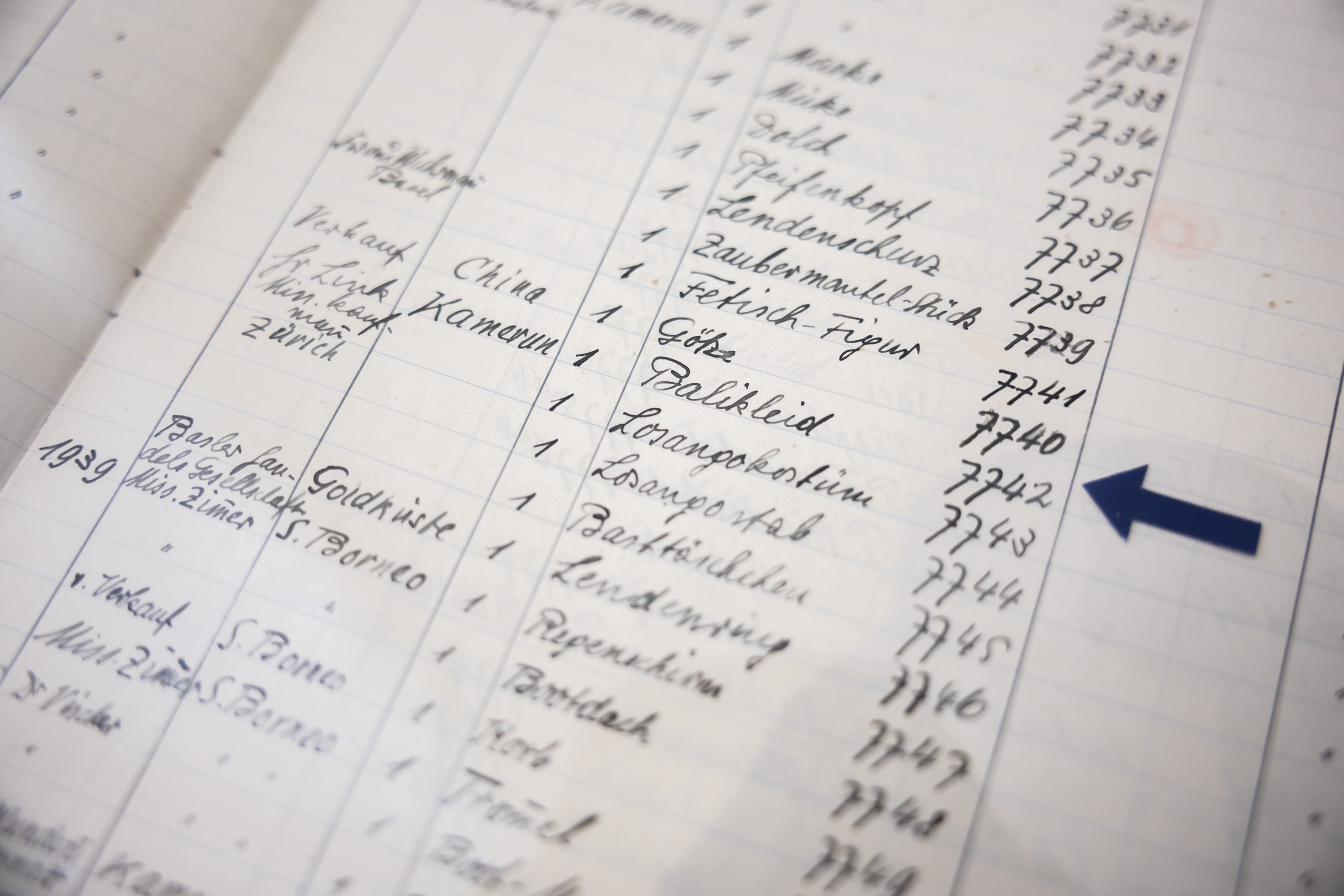
Visitors enter the pop-up exhibition in the Hedi Keller Hall through a sound curtain. From letters written by the former director of the museum, Alfred Bühler, they gather just how eager the museum was on collecting textiles.
This exhibition is all about textiles – which is also why the accompanying gallery texts are printed on banners suspended from the ceiling. The provenance research team explains how knowledge was generated at MKB, how the textile classification system came into being, and how all this ties in with the museum’s entangled history.
Dedicated
To begin with, visitors get to know the actors involved. In the first section, they accompany them on a research expedition to Timor to study work processes. Besides that, they come across a cloth from Afghanistan which the weaver explicitly dedicated to the woman doing the research.
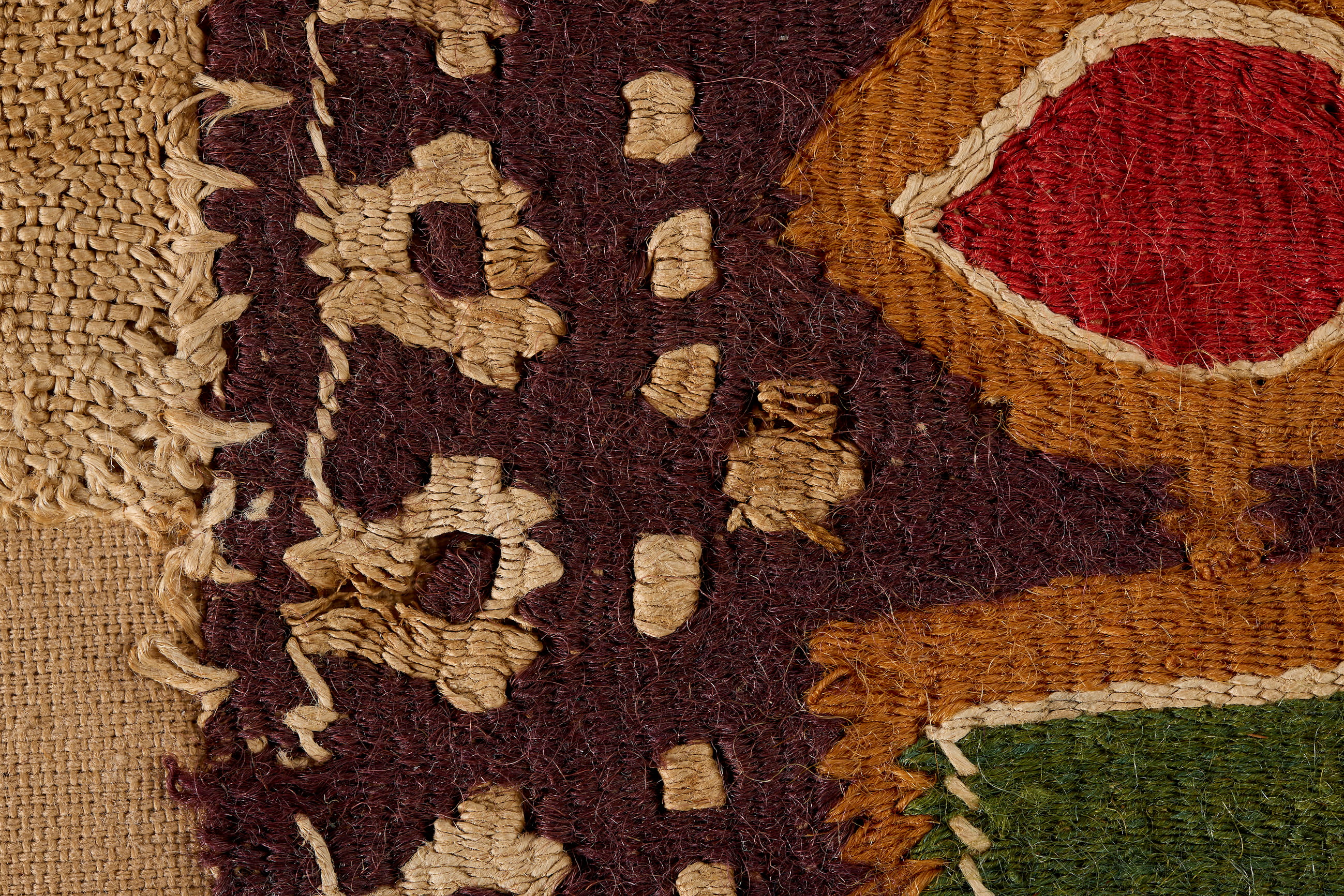
They learn why Coptic textiles triggered a collecting boom in Europe, why they became MKB flagship exhibits and why, in Hungary, the sale of ribbons helped to put food on the table.
New relationships
How the textile collection was intertwined with the colonial system is the subject of the second section. An impressive example of this comes in the shape of a warrior’s tunic from Sudan which was purchased in Egypt as a souvenir. The research team traces the route it took to Basel and also explores the history of the patches on the tunic and what they could mean.
The third section looks not to the past, but to the future, not least because the textiles and the implements used to produce them may also provide the means to forge new relationships.
Close-up
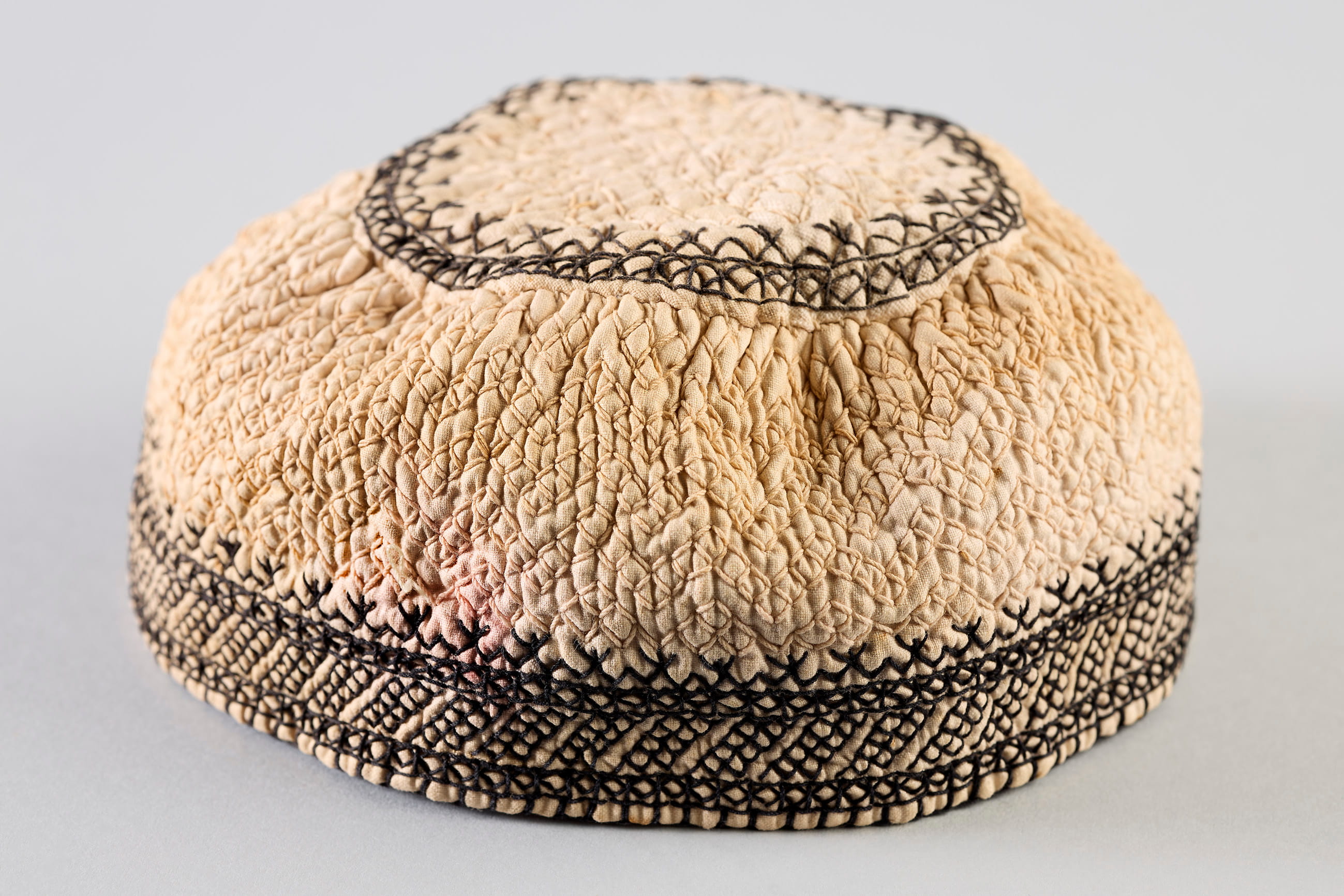
The fact that a spindle from Colombia is more than merely a tool is something that the researchers came to realize when representatives of the community of origin recently visited the museum. Through contact with members of the Afghan diaspora in Basel, they have come to understand the emotional significance of embroidered prayer cloths. And, as part of an exchange with a local Ticino museum, they inquire for what price old women were willing to give away their treasured christening caps.
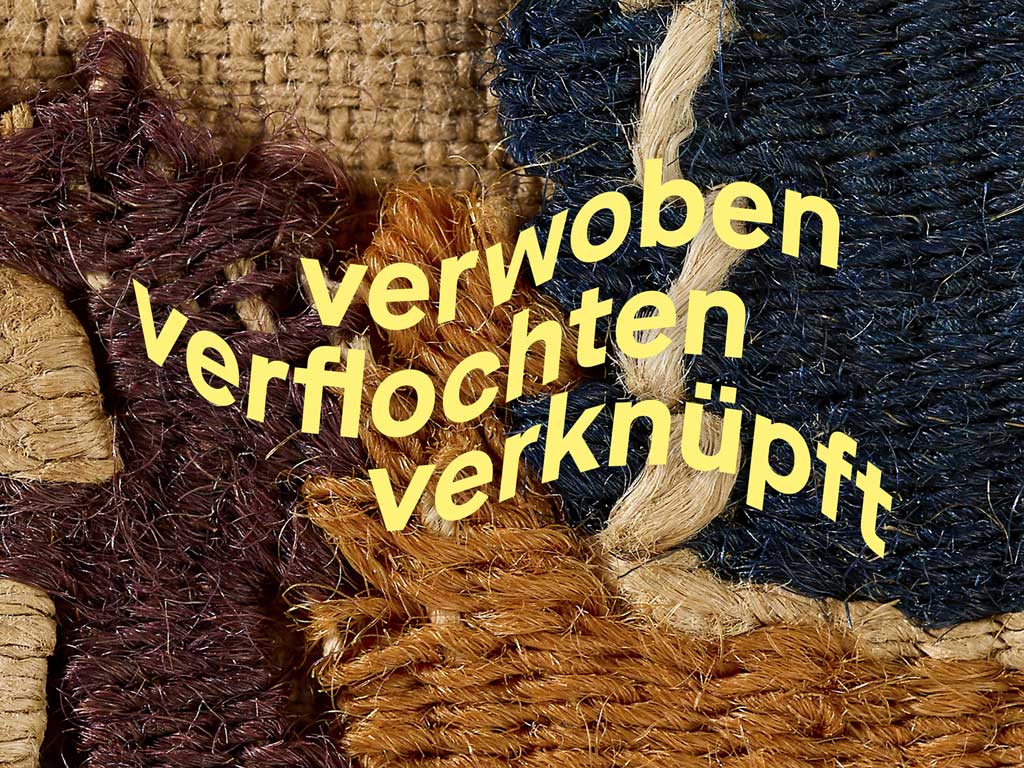
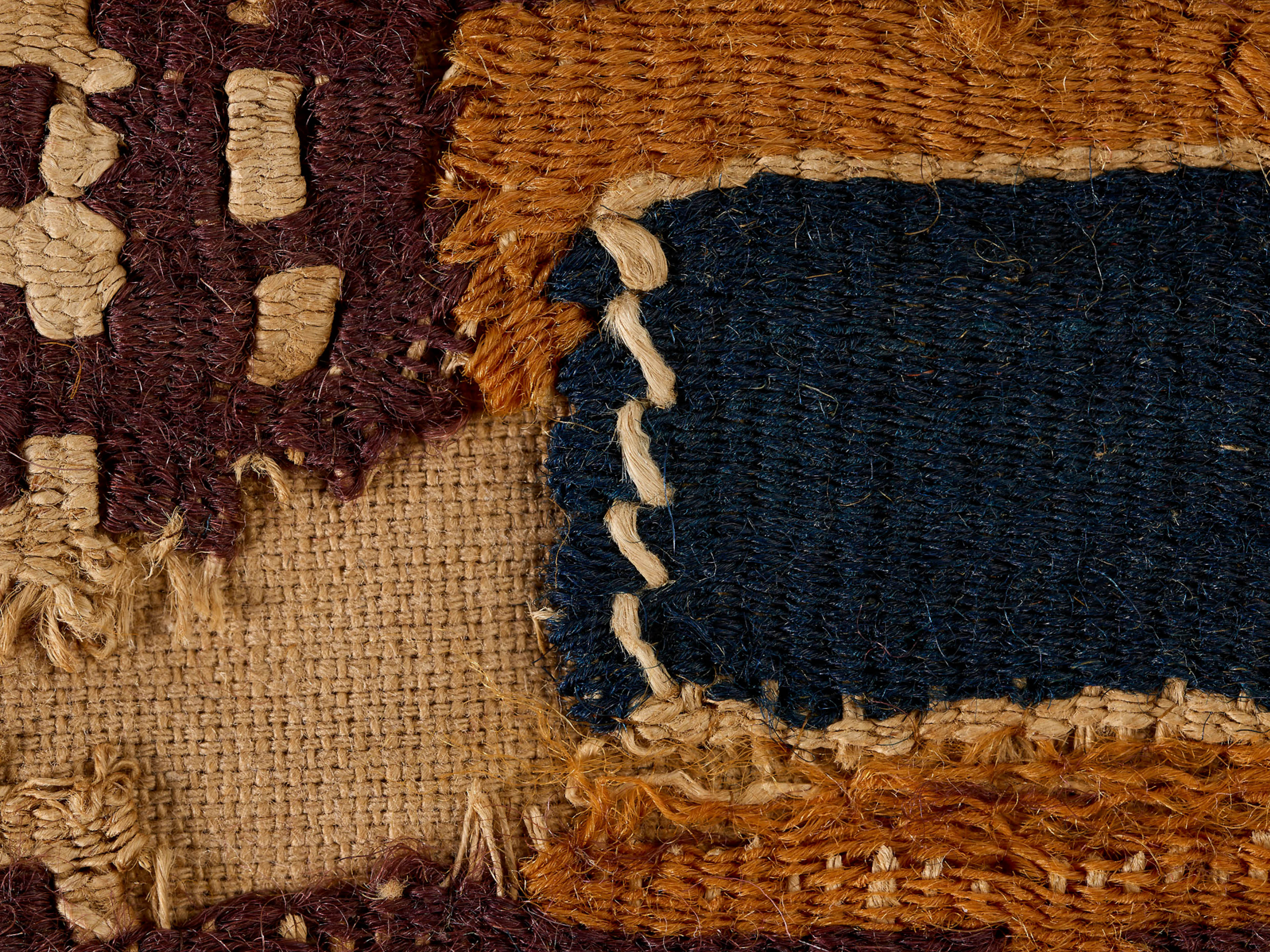
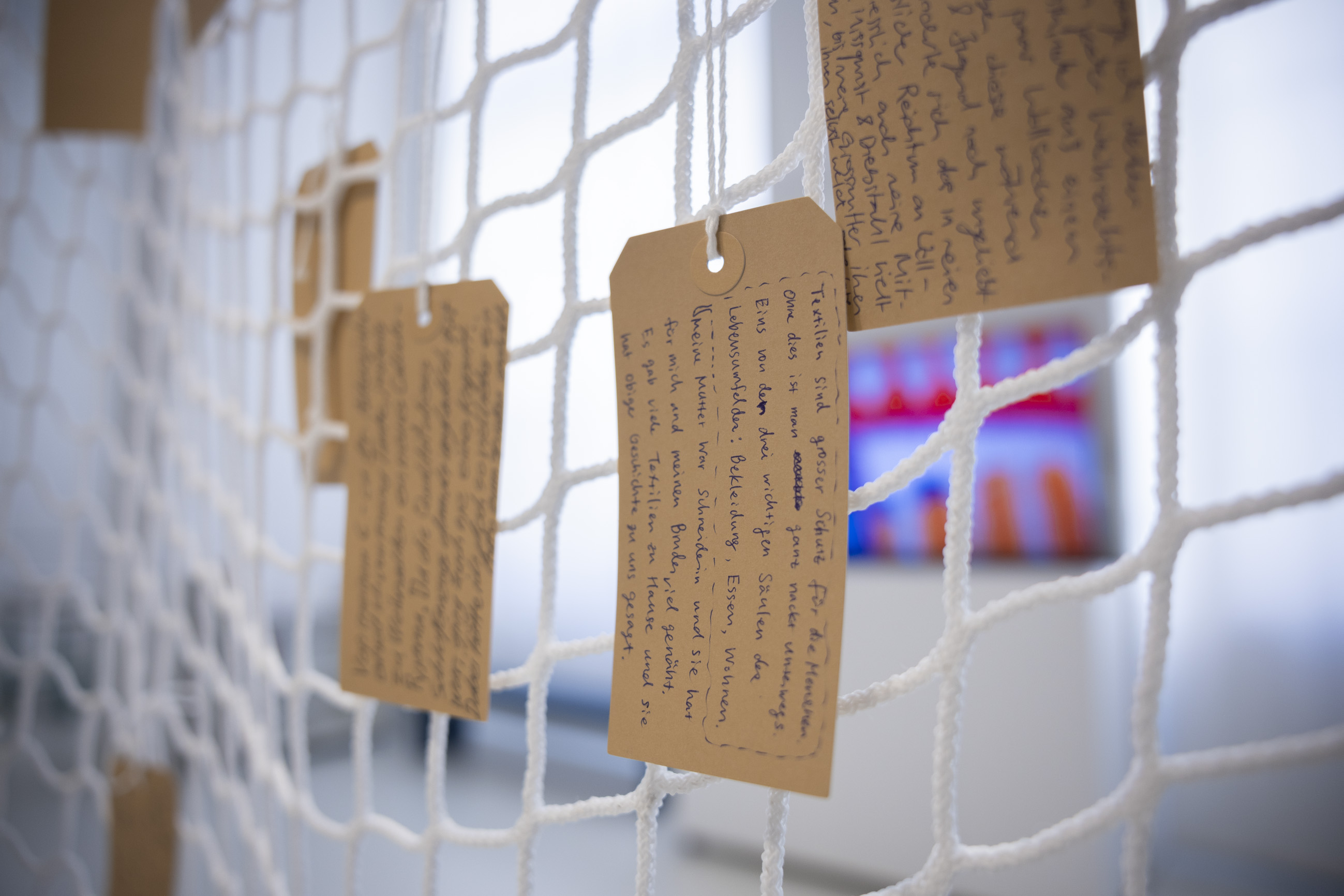
Visitors are invited to take part in a survey and clip their answers to a net suspended in the middle of the exhibition room. There is also a reading corner with books where visitors are encouraged to learn more about a specific topic, while a screen shows close-ups of the textiles on display.
.2021-04-20-14-27-54.svg "Fcebook")
.2021-04-20-14-27-41.svg "Instagram")
.2020-11-09-08-57-03.svg)

OFFERS FOR SCHOOLS
Guided tours and workshops
MEDIA CONTACT
Andrea Mašek
T +41 61 266 56 34
andrea.masek@bs.ch