Sun 29.11.2026
13.00–14.00 Uhr
GUIDED TOUR IN GERMAN


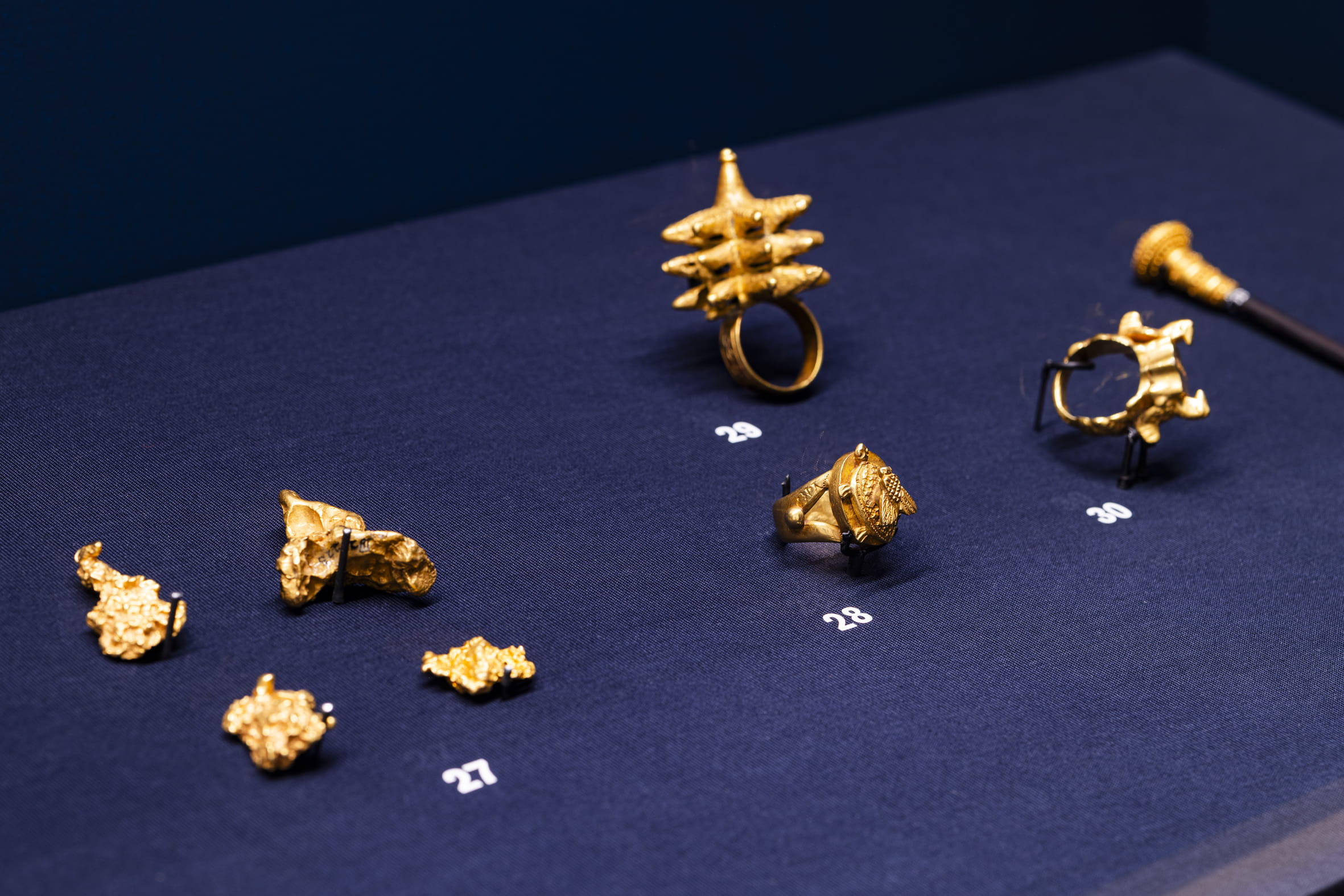
The gleam of gold enthrals us. It signifies status and sacredness and is considered a gift of exceptional value. But there is also a dark side to gold: tracts of land are devastated on account of it, and mining has disastrous consequences both for people and the environment. Using objects from the collection and contemporary works by artists from Colombia and Wales, the winter exhibition throws light on the dual nature of gold.
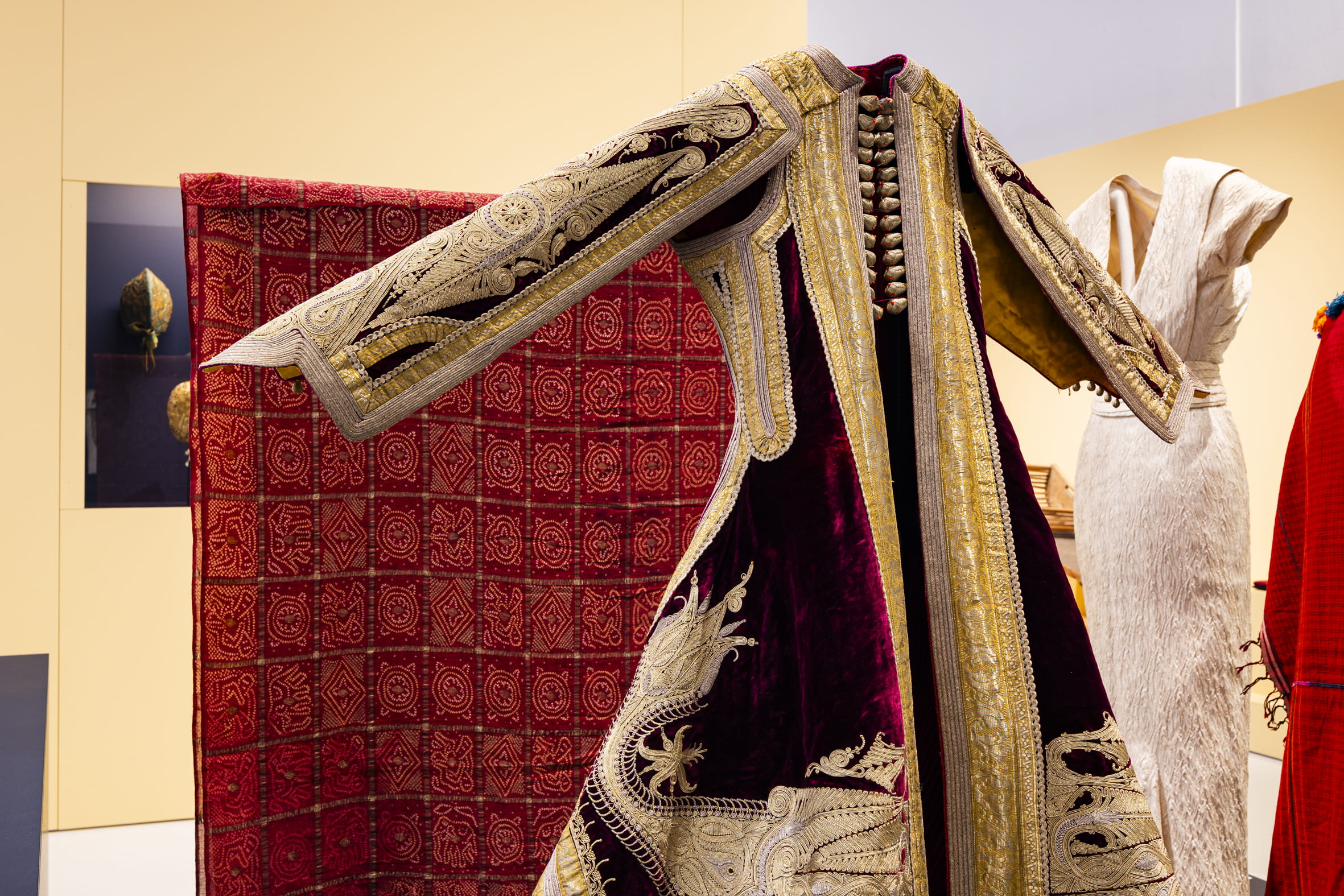
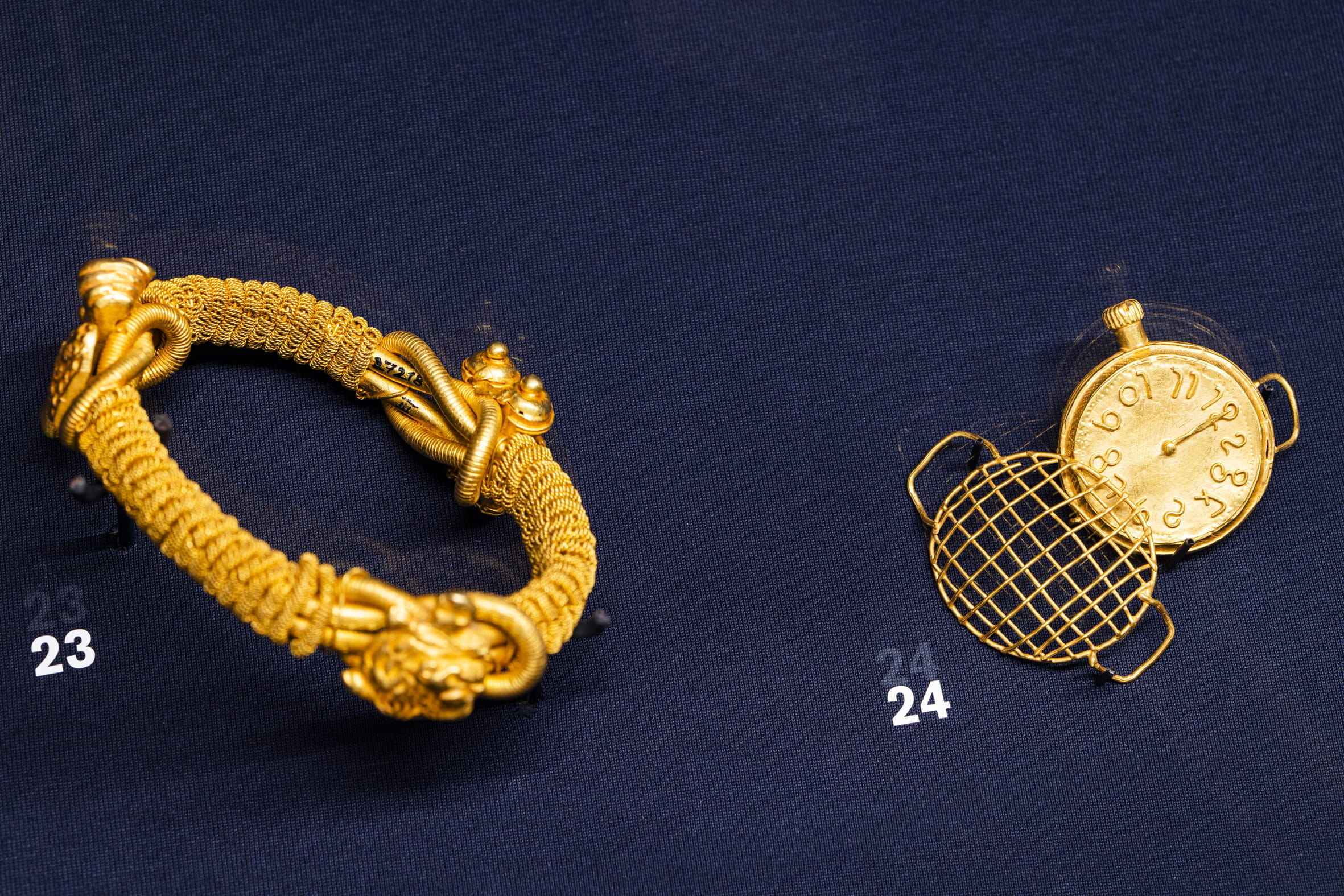
Displaying power and status, gold has been considered precious and timeless for thousands of years. Luxurious garments, traditional costume bonnets, and items of jewellery in the exhibition showcase the bright side of the precious metal.
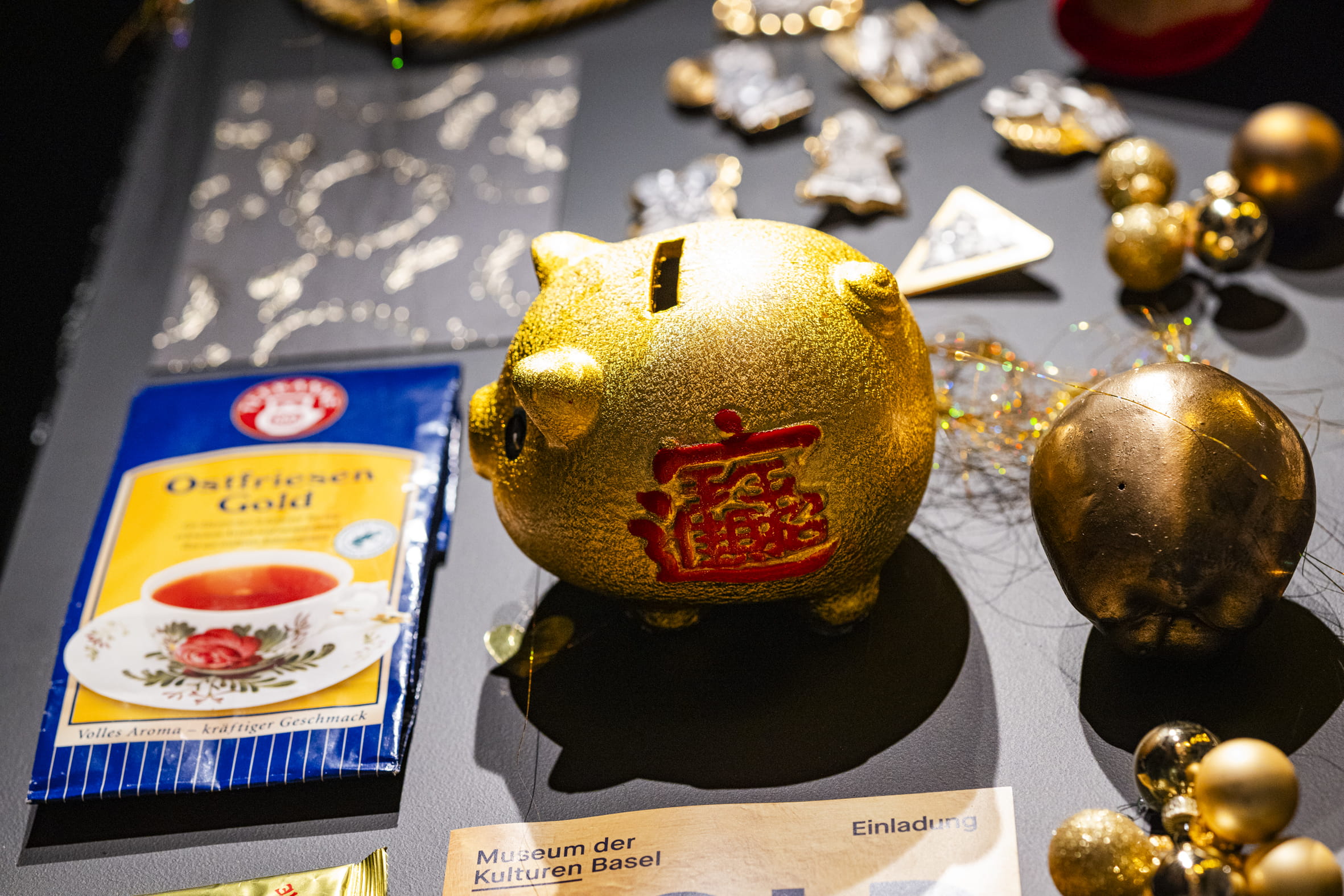
Everyday goods such as coffee and chocolate are lent a hint of luxury with gold-coloured packaging when a gleaming look is required. Meanwhile, gold imitations made from straw and PET bottles in Africa and Europe sparkle just like the real thing.
Valuable Gift
Yet gold isn’t just a thing of beauty; it is also valuable. Long before coins and notes were thought of, gold was exchanged and traded. The exhibition features weights and scales for weighing gold.
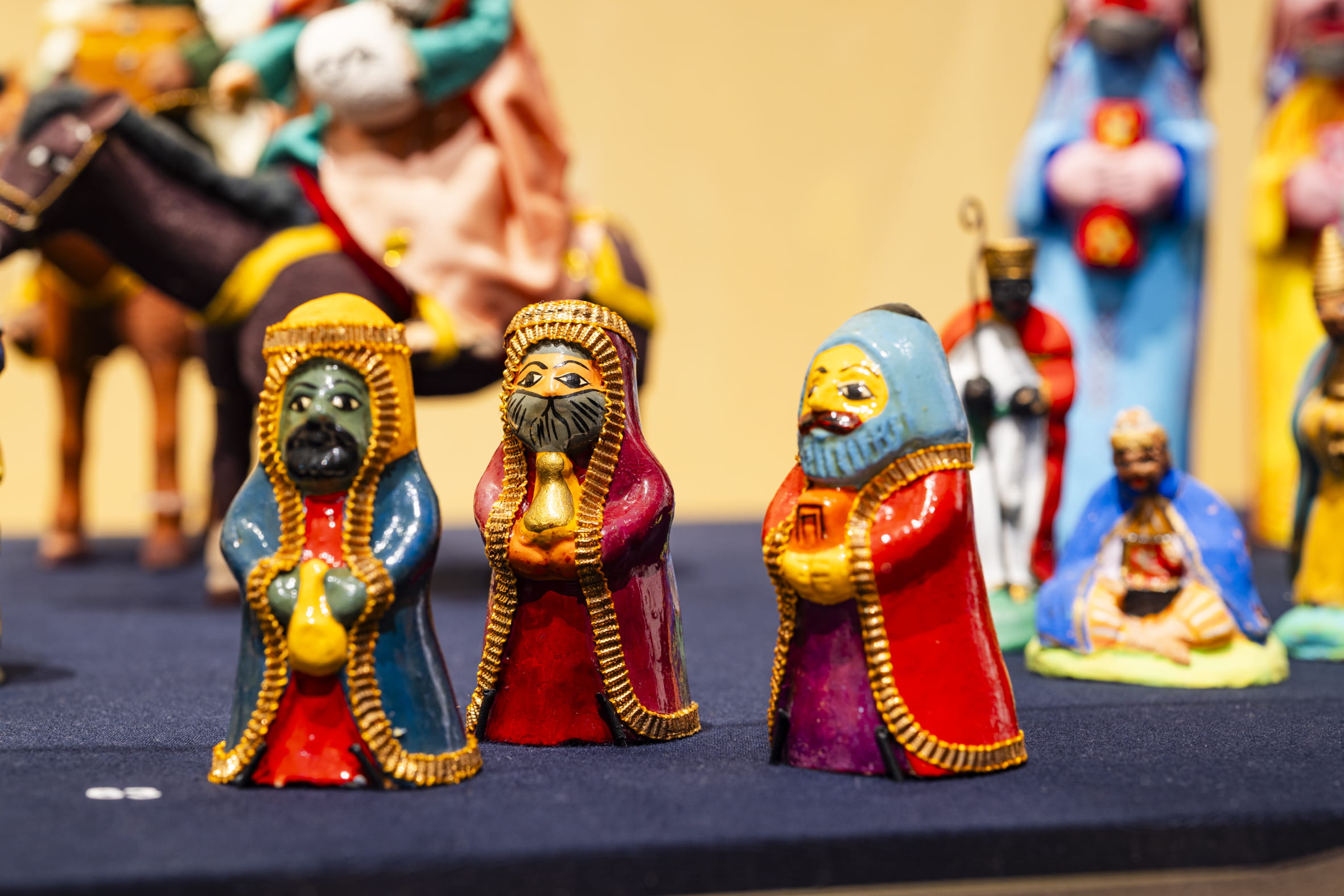
As it is highly prized, gold makes an ideal gift. Even one of the Three Wise Men appeared with a gift of gold for Baby Jesus, as shown in many a nativity scene.
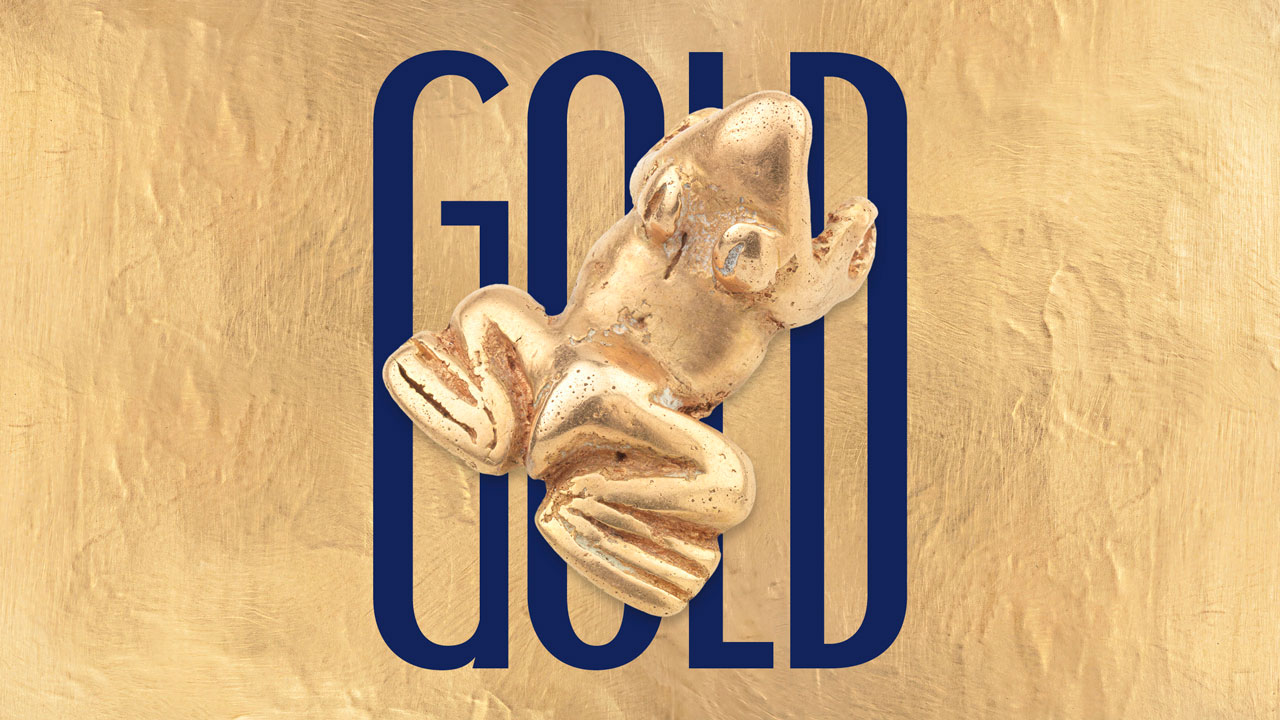
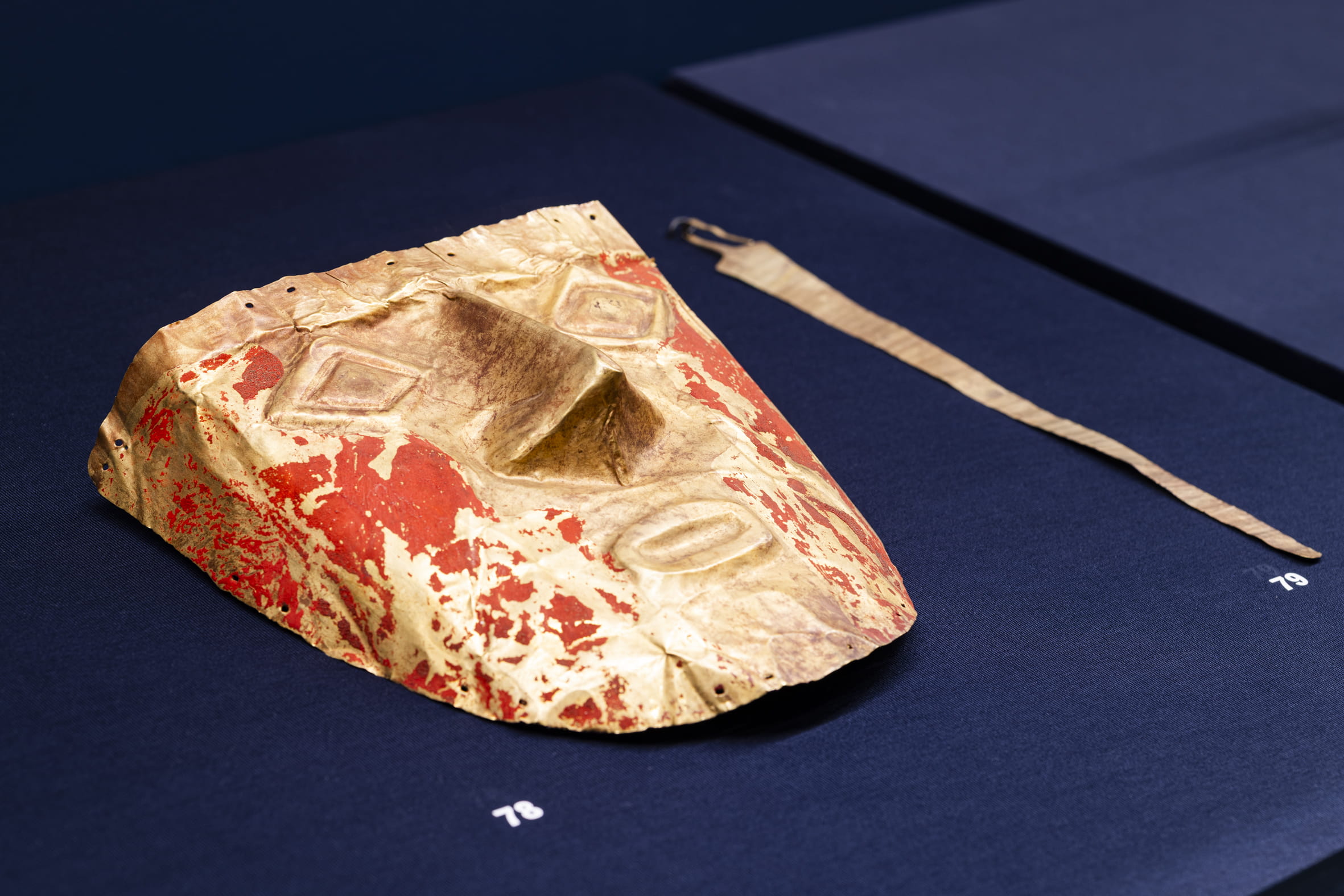
Offerings of gold were made to deities or buried with the deceased, as evidenced by gold objects in various forms from Ecuador, Colombia, Panama, and Peru. Such valuable grave goods stirred the greed of robbers who set about plundering graves, however. Their finds entered museum collections – including those at MKB.
Gold Extraction and Its Consequences
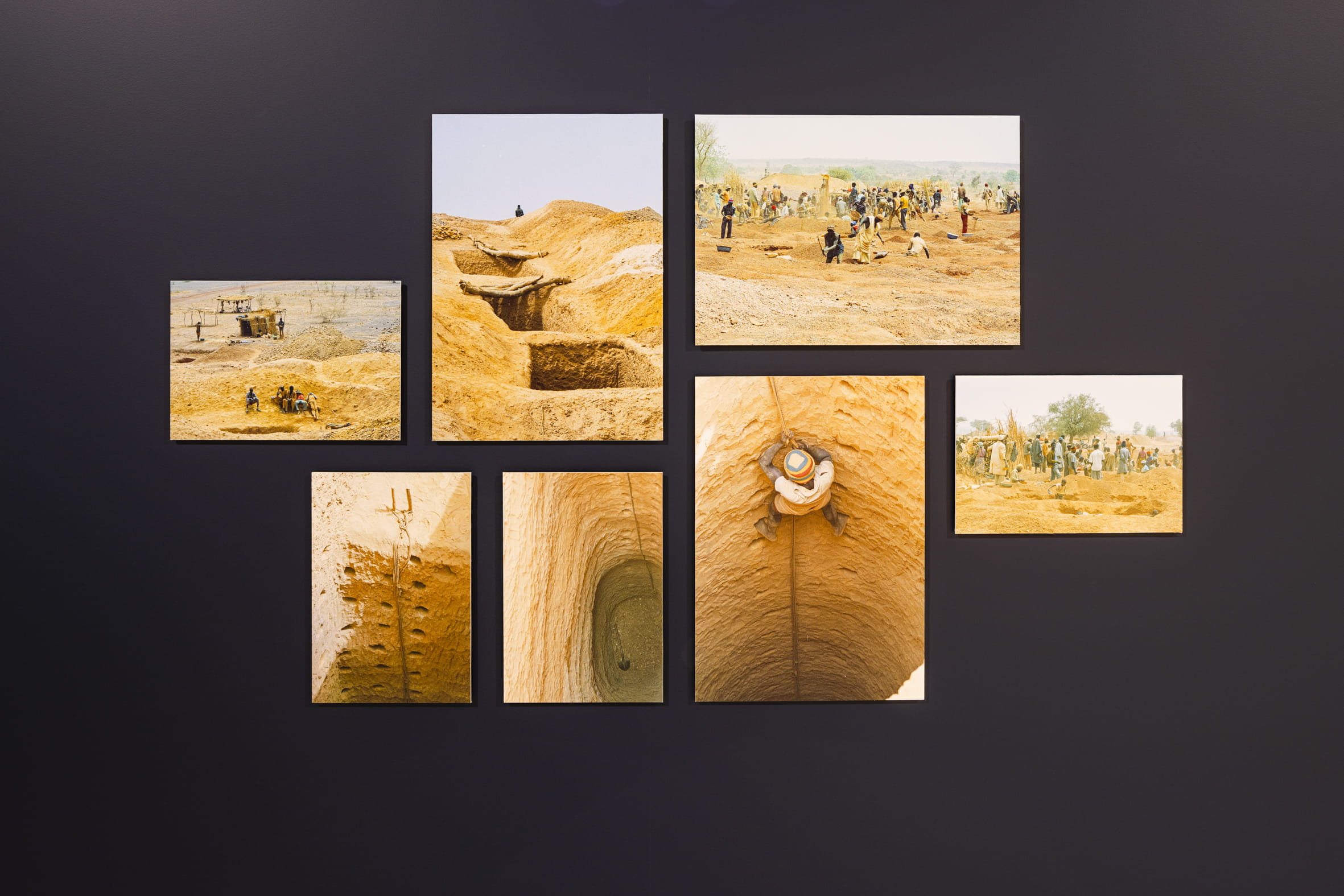
The methods by which gold is extracted represent another dark side to the precious metal. Gold mining is resource-intensive and has dire consequences for people and the environment. Gold-panning equipment from Switzerland, Romania, and Indonesia, along with photographs from Mali, offer some insight into various extraction techniques.
How to deal responsibly with gold as a raw material is a pressing challenge, particularly here in Switzerland where as much as two thirds of the gold traded globally is refined.
Art and Responsibility
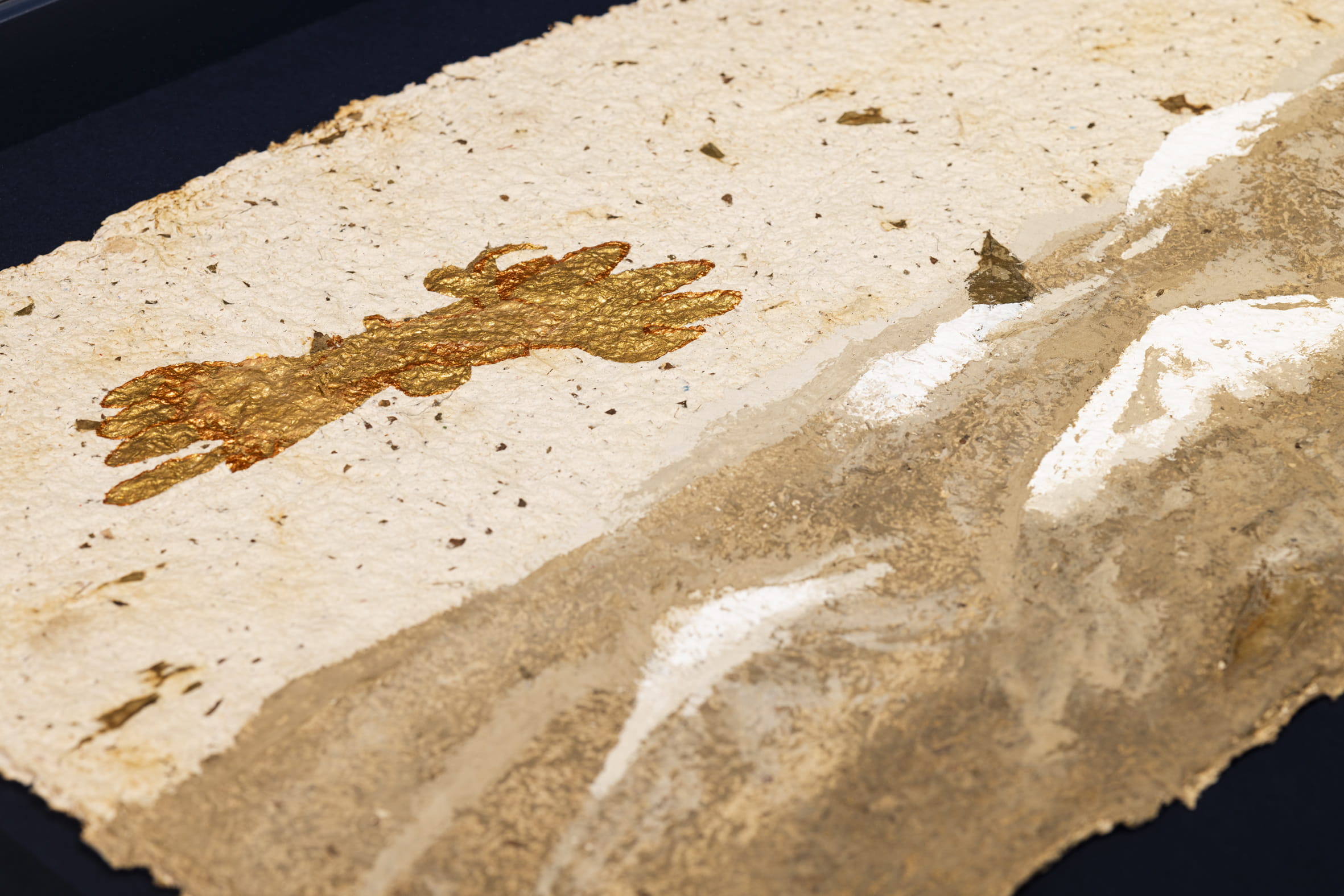
Three contemporary works of art in the exhibition connect objects from the collection with questions of political responsibility. Estefanía García Pineda’s series of pictures titled Rematriation evokes the symbolic restitution of sacred and ritual artefacts (huacas) that are currently held in European museums.
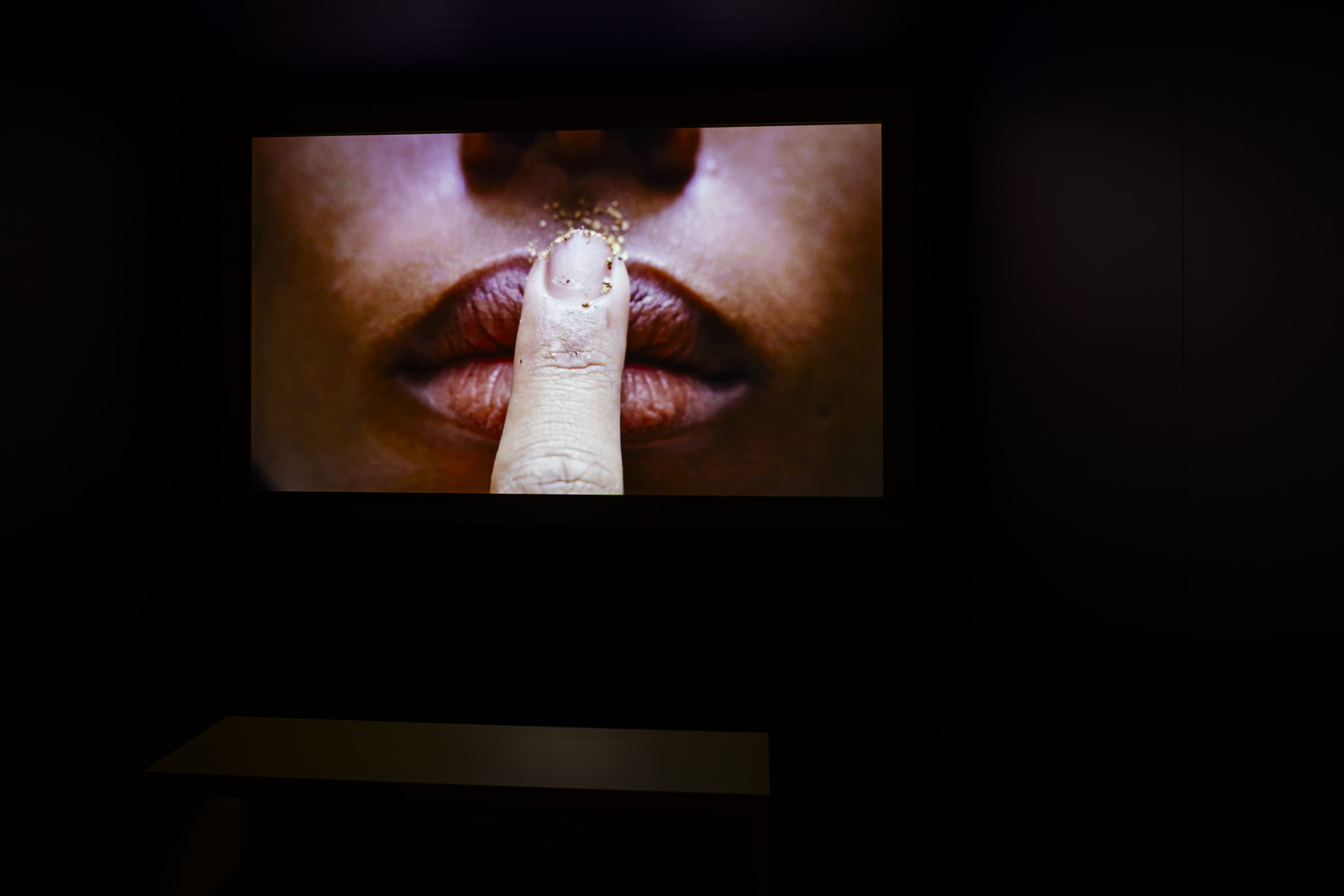
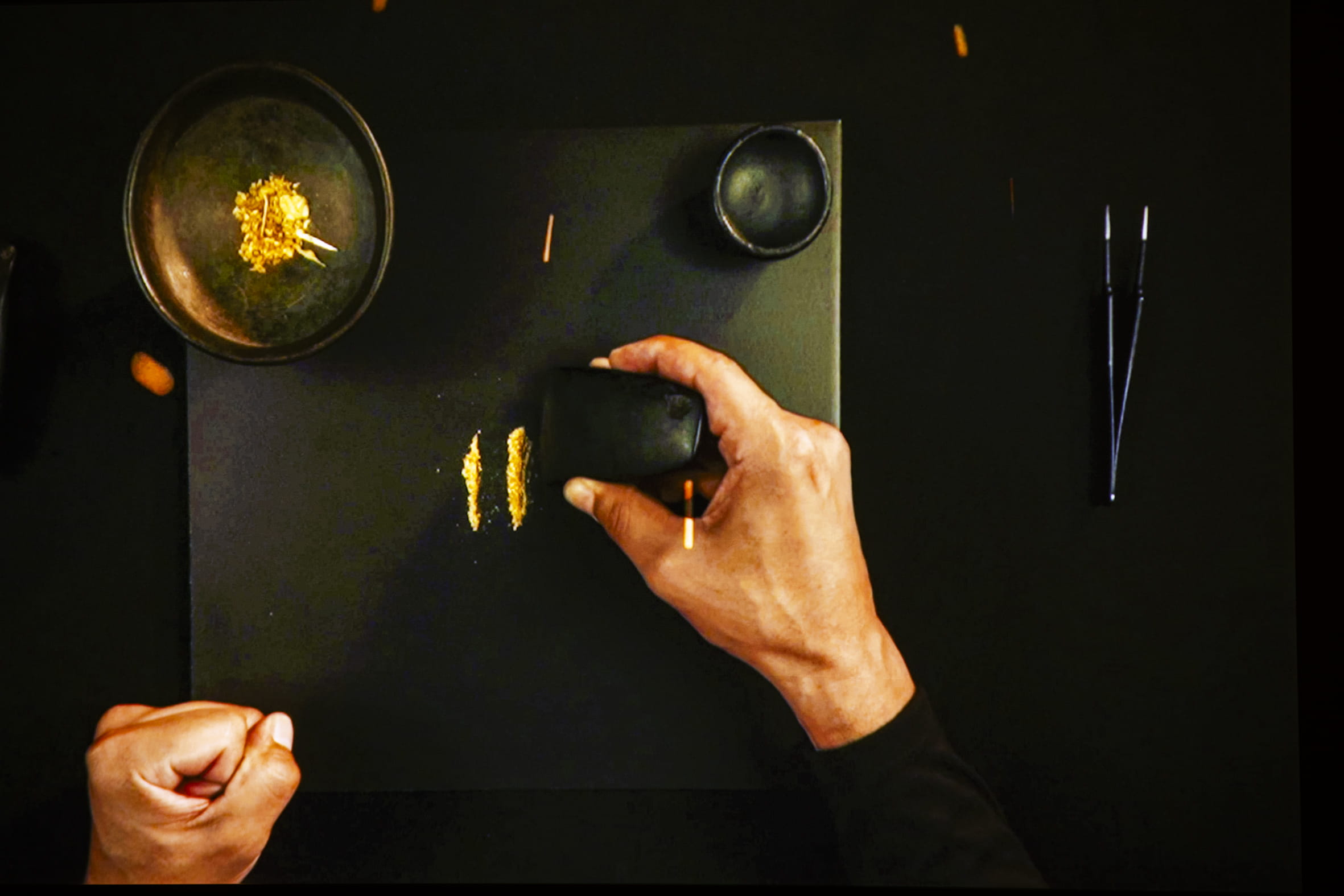
In her video work titled Fuel to Fire, Carolina Caycedo reverses the process of gold extraction by returning gold to the water. She resists the logic of extraction, exploitation, and accumulation with the logic of acts of mindfulness and restoration.
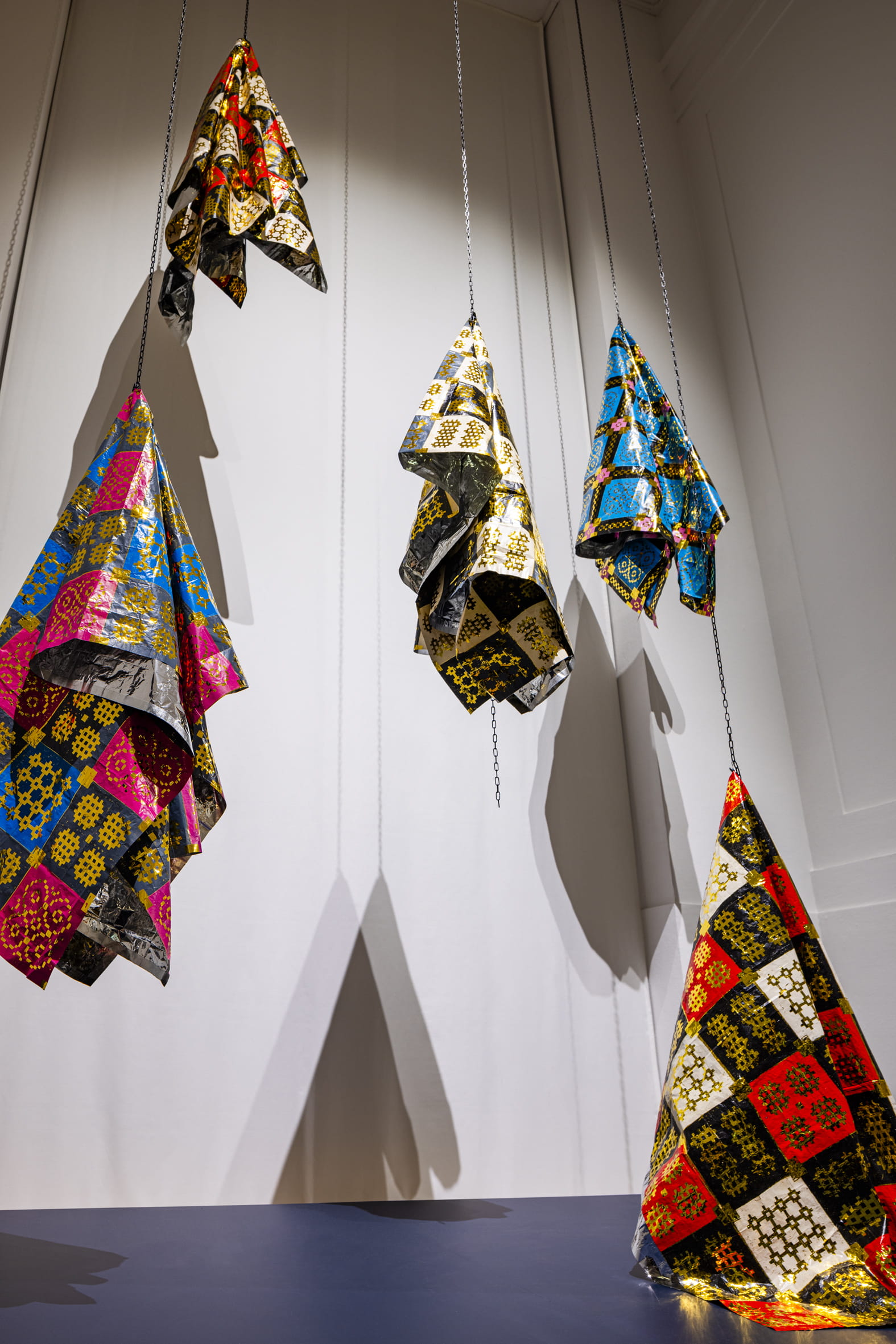
Daniel Trivedy works with gold foil emergency blankets, objects that in the context of flight and migration have become political symbols both of distress and solidarity. For his Welsh Emergency Blankets, he prints traditional blanket designs from his native Wales onto foil emergency blankets, thus making a statement in favour of an inclusive understanding of belonging.




OFFERS FOR SCHOOLS
Guided tours and workshops
MEDIA CONTACT
Andrea Mašek
T +41 61 266 56 34
andrea.masek@bs.ch